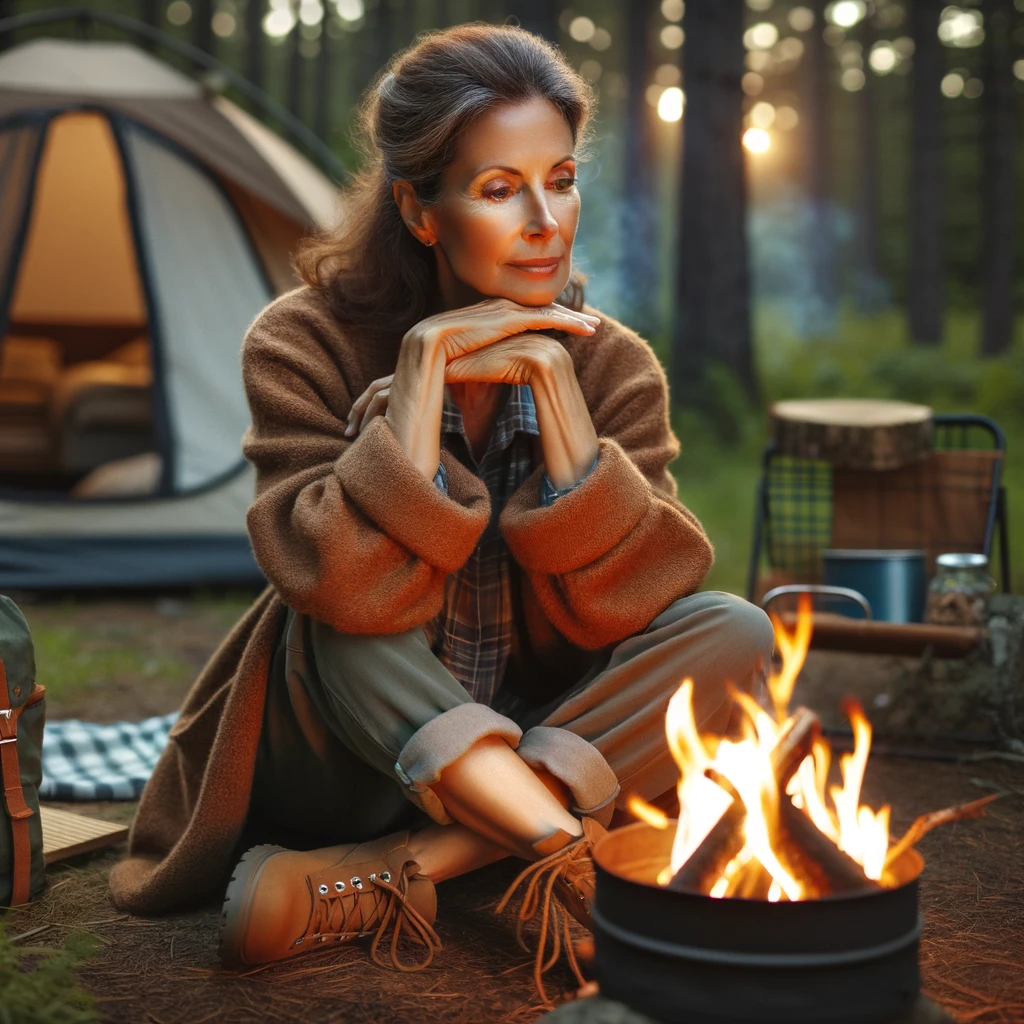
Lessons from one woman’s leap into the wilderness—and how you can do it better
When Curiosity Meets Inexperience
I’ll never forget the night before my first backcountry camping trip.
I sat on my living room floor surrounded by gear—most of it shiny, new, and still in its packaging—questioning every decision I’d made. Could I really do this? Was I being foolish? But something deeper inside me whispered, “Go.”
So I did.
What followed was a messy, beautiful, and slightly humbling weekend that taught me more than any blog post or YouTube video ever could. And today, I want to share both the triumphs and the stumbles… because if you’re thinking about solo backcountry camping, knowing what I got right—and very wrong—might just make your first trip a little smoother.
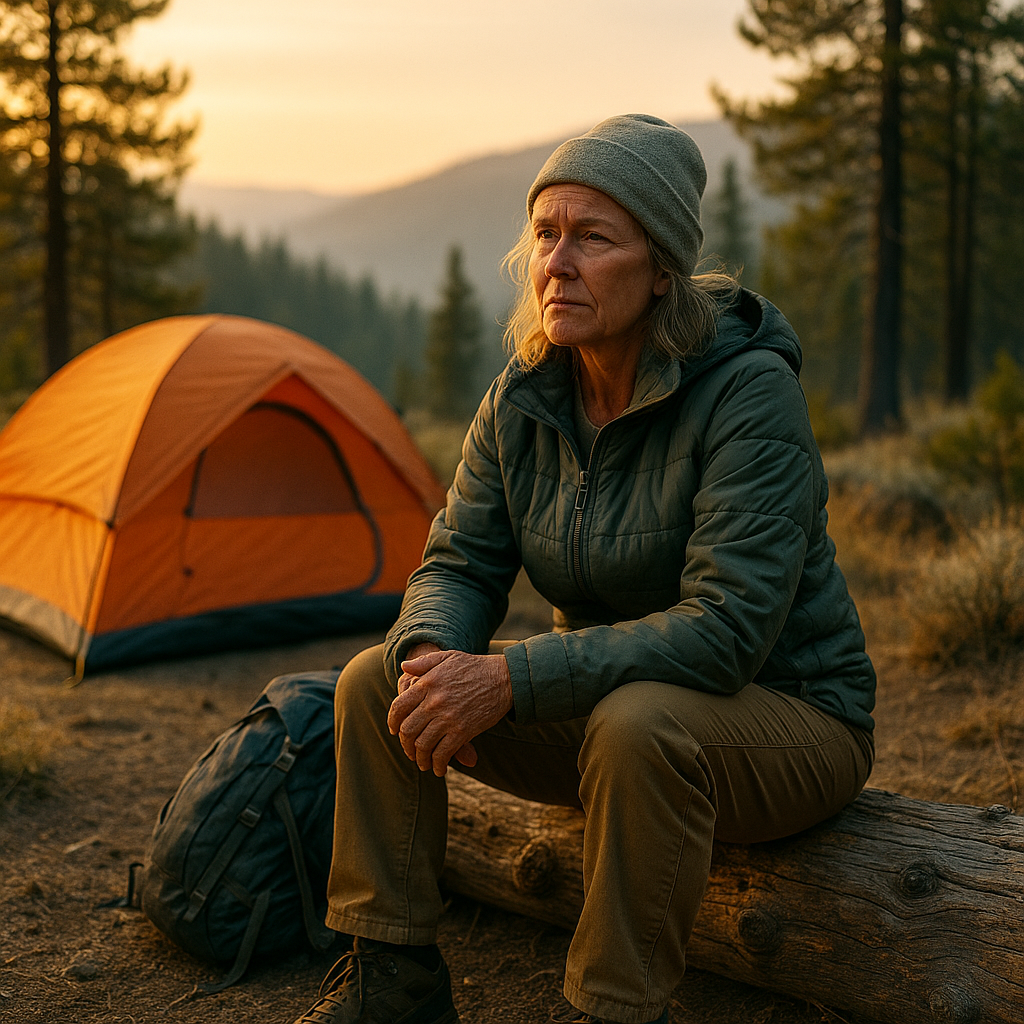
“If you’ve ever wondered what it’s really like to step into the backcountry alone for the first time, I’m pulling back the curtain.”
The Backcountry Dream (And My Reality Check)
For months, I’d scrolled through social media feeds filled with sunrise summit shots and cozy tent views beside alpine lakes. The backcountry called to me—not just for adventure, but for stillness.
What I didn’t fully grasp was that backcountry camping means everything you need—shelter, food, water, safety gear—you carry on your back. No car. No picnic tables. No bathrooms. Just me, a pack, and miles of trail between myself and the nearest parking lot.
What sounded poetic at home became intimidating fast.
What I Got Right (Beginner Wins I’m Still Proud Of)
Let’s start with the good stuff—the things that, in hindsight, I actually nailed as a first-timer:
✅ Packing (mostly) light: I resisted the urge to bring the kitchen sink and focused on multipurpose gear.
✅ Checking trail and weather reports: This saved me from choosing a flood-prone area after days of rain.
✅ Leaving a trip plan with a friend: I texted my route and ETA—something that gave me (and them) peace of mind.
✅ Bringing a map and compass: Even though I doubted I’d use them, they came in handy when my phone lost signal.
✅ Setting realistic mileage goals: Instead of biting off a 12-mile trek, I kept day one under five miles—thank goodness.
“If I could get these things right with zero experience, you absolutely can too.”
What I Got Very, Very Wrong (Learn from Me!)
Now for the cringe-worthy confessions…
❌ Water Mismanagement: I assumed there would be a flowing creek near my site. Spoiler: there wasn’t. My tiny filter didn’t help when the closest water source was dry.
❌ Underestimating Terrain Difficulty: Elevation gain looked manageable on the map but absolutely wrecked me in reality. My legs—and lungs—weren’t ready.
❌ Food Fails: I packed dehydrated meals but forgot about bringing variety and flavor boosters like seasoning packets or hot sauce. Dinner was edible… barely.
❌ Overpacking “Just in Case” Items: My pack ended up heavier than needed. I carried gear I never touched, like a full-size camp chair and duplicate first-aid supplies.
❌ Mental Unpreparedness: I didn’t anticipate how lonely and slightly panicked I’d feel the first night hearing every snap of a twig outside my tent.
Safety Lessons That Changed How I Camp
After that first night, safety became less theoretical and more visceral for me.
Here’s what I’ll never skip again:
- Checking for cell service zones before I leave home
- Carrying a whistle and a small emergency blanket
- Using HALT as my mental check-in tool: Hungry? Angry? Lonely? Tired? Addressing these quickly helped calm any emotional spirals
- Trusting my gut: If something feels off, it probably is
“The first night alone in the backcountry taught me that fear doesn’t mean stop. It means prepare—and proceed with care.”
[content-egg module=Impactradius template=grid]
Gear That Saved the Trip (And Gear I’ll Leave Behind Next Time)
✅ What Worked Like a Charm:
- My lightweight, easy-to-pitch tent
- A reliable water filter system (for when I did find water)
- A headlamp with extra batteries (because I underestimated how early darkness falls in the woods)
- Trekking poles that saved my knees on steep downhills
❌ What I’ll Skip Next Time:
- Oversized power bank (I barely used my phone to conserve battery anyway)
- Heavy camp chair (the ground was fine)
- Duplicate “emergency” items that added unnecessary weight
When every ounce counts, every decision matters.
The Emotional Rollercoaster: Fear, Freedom, and Finding My Grit
By the time I crawled into my sleeping bag on night two, something inside me had shifted.
Yes, I was still tired. Yes, my feet hurt. But I also felt… proud.
I’d built my own campfire. Filtered my own water. Slept under a sky full of stars with no one around to watch over me. And when dawn broke, I was still there—stronger, braver, and more connected to myself than I had been in years.
Tina’s Tips for First-Time Backcountry Solo Campers
If you’re considering taking that first backcountry step, here’s my hard-earned advice:
✔️ Do Your Research: Trail difficulty, water sources, and weather patterns matter more than you think.
✔️ Start Small: One night, close to home, with a bailout plan if needed.
✔️ Test Your Gear Beforehand: Set up your tent in your backyard. Fire up your camp stove. Try your water filter.
✔️ Leave a Detailed Trip Plan with Someone You Trust: Include location, routes, timing, and emergency contacts.
✔️ Give Yourself Grace: Your first trip won’t be perfect. But it will be transformational.
Conclusion: I Went In Unprepared—But Came Out Changed
If you’re scared, good. That means you care. That means you’re about to grow.
Solo backcountry camping will test you—but it will also gift you with a level of confidence that’s hard to find anywhere else.
So pack your bag, double-check your water plan, and take that first step. You won’t come back the same—and that’s the point.
“Your first trip won’t be perfect—but it will be your story. And that’s worth everything.”
[content-egg module=Ebay2 template=grid]