Your beginner’s guide to gaining confidence, staying secure, and finding serenity in the great outdoors—all on your own.
The First Time I Camped Alone—and Why You Should Too
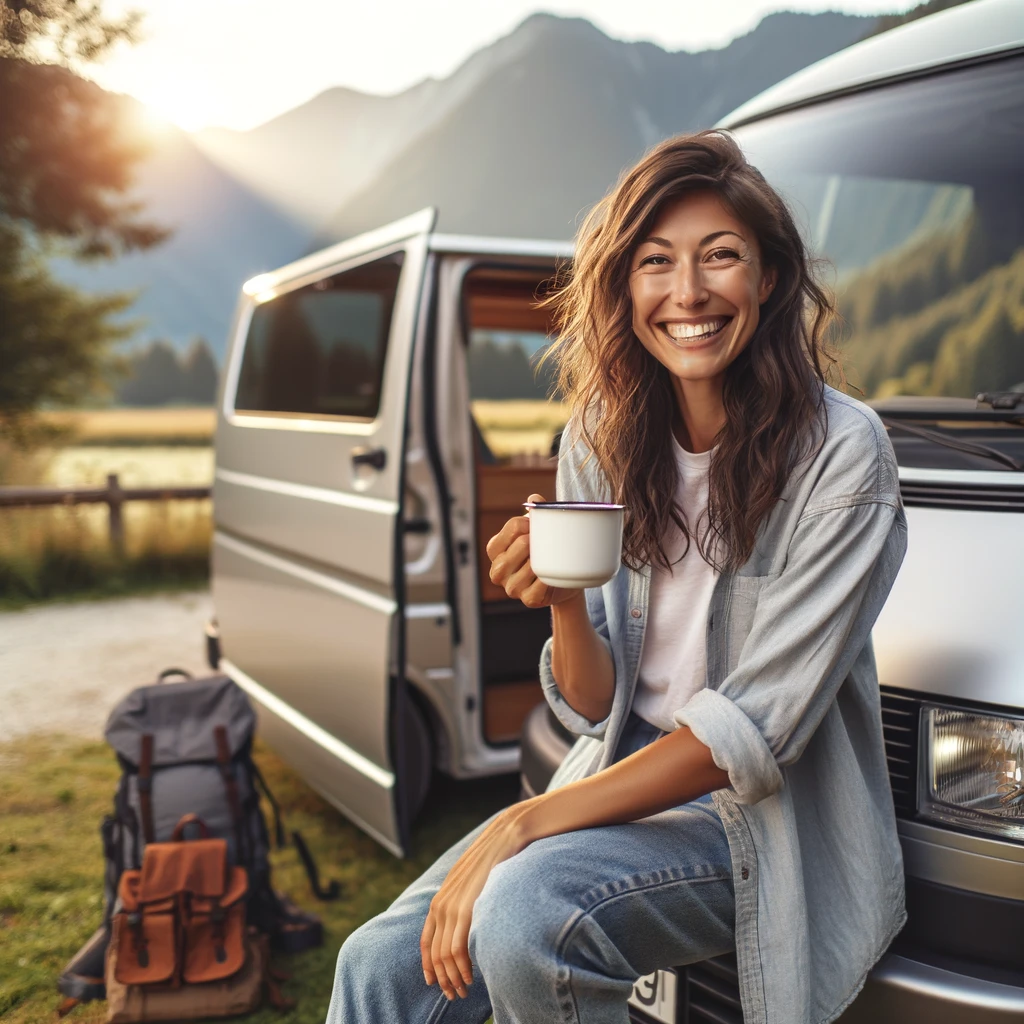
I’ll be honest—my first solo camping trip wasn’t planned. It happened after a weekend with friends fell through. I had the gear, the van, and an itch I couldn’t shake. So I left.
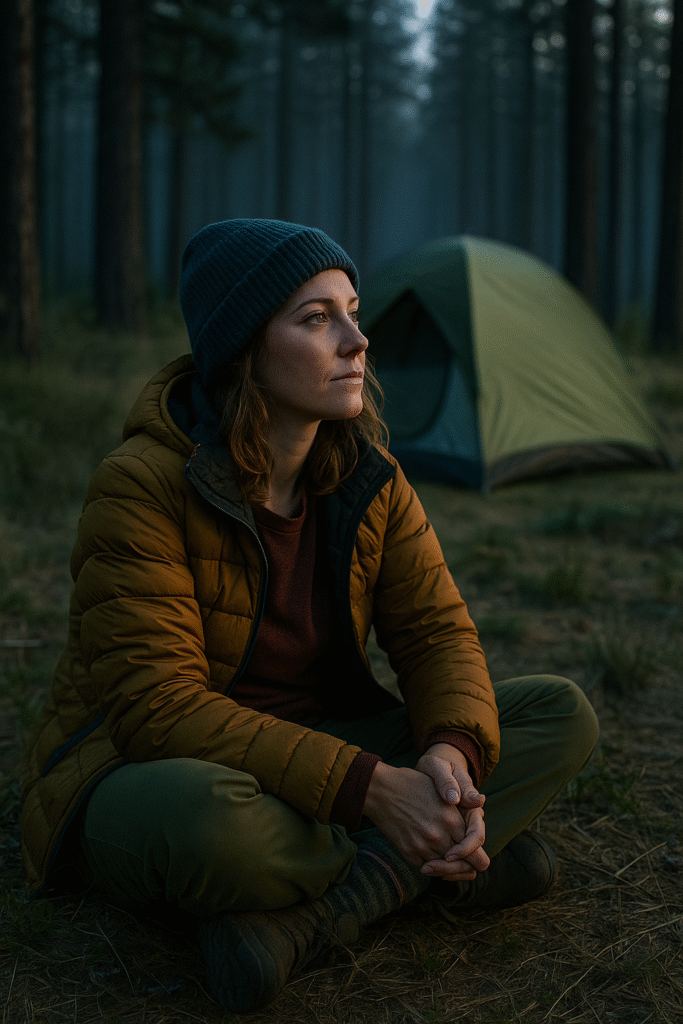
I was nervous. Every noise outside my tent made me freeze. Every creak felt like a creature. But by the second night, I had slipped into something magical—peace, control, and a surprising sense of empowerment.
If you’ve ever thought about solo camping but felt too unsure to try it, this guide is for you. We’ll tackle the logistics, ease your fears, and help you step into the wilderness with the tools (and confidence) you need.
[content-egg module=Ebay2 template=grid]
Why Solo Camping Is Worth Trying at Least Once
Complete Autonomy and Freedom
When you camp alone, every moment is yours. Want to cook dinner at 4 PM and sleep by sunset? Go for it. Want to hike that ridge without consulting anyone else? Done. It’s all up to you—and that kind of freedom is rare and refreshing.
A Deep Connection with Nature (and Yourself)
Without the buzz of conversation or distraction, you start to hear what you’ve been missing: the flutter of leaves, the rhythm of your breath, the stillness of dawn. Solo time in nature is a mirror—one that reflects the quiet, wild part of you that rarely gets attention.
Safety First—What You Need to Know
Tell Someone Your Plan
Before heading out, always let a friend or family member know your itinerary: where you’ll be, when you’ll check in, and what to do if you don’t. Use tools like Garmin inReach or a basic check-in schedule.
Choose a Well-Trafficked, Established Site
For your first solo trip, stick to maintained campgrounds or known dispersed sites. State parks or national forests are ideal. You’ll feel safer knowing you’re not totally isolated—and help is nearby if needed.
Pack Smart, Not Heavy
You don’t need to bring everything. Prioritize:
- First aid kit
- Headlamp with extra batteries
- Fire-starting tools
- Pocketknife or multi-tool
- Shelter and weather-appropriate gear
Focus on functional minimalism, not comfort overload.
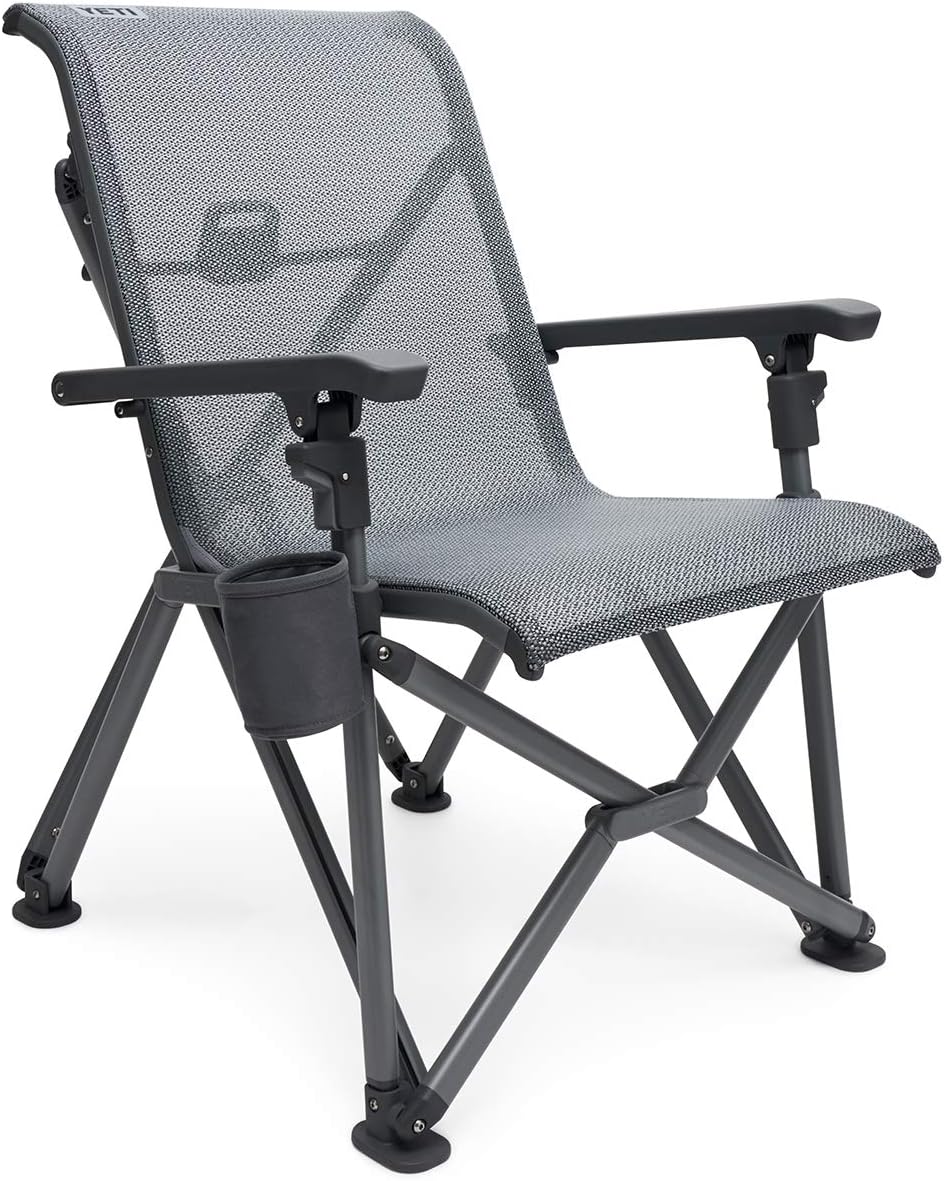
YETI Trailhead Camp Chair
Built for everything from campfires to concerts, the YETI Trailhead Collapsible Chair is the ultimate combination of rugged durability and next-level comfort. Engineered with FlexGrid fabric, it conforms to your body’s natural shape, eliminating pressure points while supporting up to 500 lbs without compromising strength or stretch. The UV-rated materials ensure long-lasting performance with no fading, flaking, or fabric breakdown—even under harsh sun. A lightweight, packaway frame makes it easy to transport, and the included dual-strap carry bag gives you hands-free portability—sling it over your shoulder or wear it as a backpack. Whether you’re tailgating, relaxing at camp, or cheering from the sidelines, this best-in-class folding chair is built to keep you comfortable, supported, and adventure-ready.
Buy Now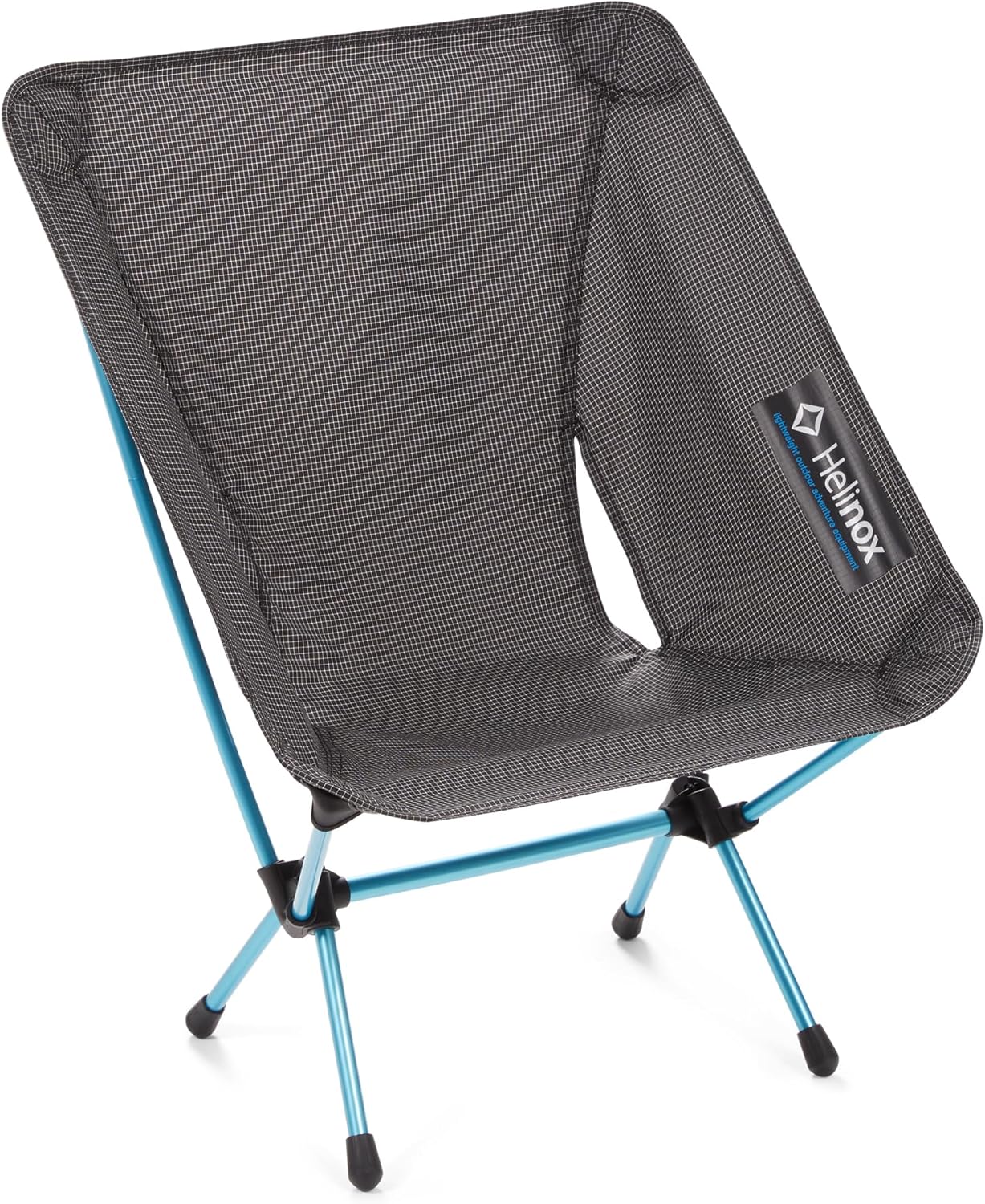
Helinox Chair Zero
When every ounce counts, the ultralight backpacking chair delivers the perfect blend of comfort, durability, and packability—weighing just 1.1 pounds and folding down smaller than a water bottle. Whether you’re trekking through the backcountry, biking remote trails, or packing light for your next motorcycle tour, this chair is built to move with you. Made with a high-strength DAC aluminum alloy frame and ripstop polyester fabric that resists UV rays and harsh weather, it supports up to 265 pounds while staying incredibly compact. The quick-setup design with a single bungee-corded pole system means you’re off your feet and relaxing in seconds. And with a machine-washable seat and five-year warranty, this chair is more than just ultralight—it’s ultra-reliable. Don’t just sit—rest smarter, pack lighter, and adventure further.
Buy Now
What to Pack for Peace of Mind
Solo Camping Essentials Checklist
- Tent or van setup
- Sleeping bag and insulated pad
- Lightweight cooking system (Jetboil, MSR PocketRocket)
- Basic cookware and utensils
- High-calorie, low-volume food
- Water filter or purifier
- Map, compass, and/or GPS
- Layered clothing system
- Compact first aid kit
- Headlamp + backup batteries
Comfort Items That Matter
I bring a tiny journal, my enamel mug, and an e-reader. Those simple touches make a solo trip feel grounding and familiar. Whatever gives you calm—bring it.

Jetboil Flash Cooking System
When every second counts in the wild, the Jetboil Flash Camping Stove delivers unmatched speed and efficiency—boiling water in just 100 seconds, making it the fastest Jetboil ever. Designed for serious backpackers and casual campers alike, this personal cooking system includes a 1-liter FluxRing cooking cup with an insulating cozy to keep water warm longer, perfect for trail coffee, soups, or dehydrated meals. A push-button igniter offers instant startup, while the thermochromatic heat indicator lets you know when it’s ready. Weighing just 13.1 ounces, it packs small but performs big, with a bottom cup that doubles as a measuring cup and bowl, plus a fuel can stabilizer for added safety. Built for the backcountry, it’s compatible with Jetboil accessories like a coffee press, skillet, or hanging kit (sold separately). Whether you’re scaling peaks, hiking deep trails, or prepping for emergencies, the Jetboil Flash is your ultra-reliable cooking companion for fast, fuel-efficient meals wherever adventure takes you.
Buy Now
Coleman 1900 Collection 3-in-1 Portable Camp Stove
Celebrate over a century of outdoor tradition with this 120th Anniversary Outdoor Stove, blending timeless design with powerful performance. Built to deliver a commanding 24,000 BTUs of cooking power, it’s ready to handle everything from searing steaks to simmering campfire breakfasts. The durable cast-iron grill grates and removable griddle accessories offer meal versatility and long-term reliability, while a heavy-duty latch keeps the stove securely closed when not in use. With a built-in carry handle and included carry case, it’s easy to pack up and take wherever adventure calls. Crafted with rugged iron materials and designed to endure, this stove is the ultimate companion for any outdoor chef who values performance, heritage, and lasting quality.
Buy Now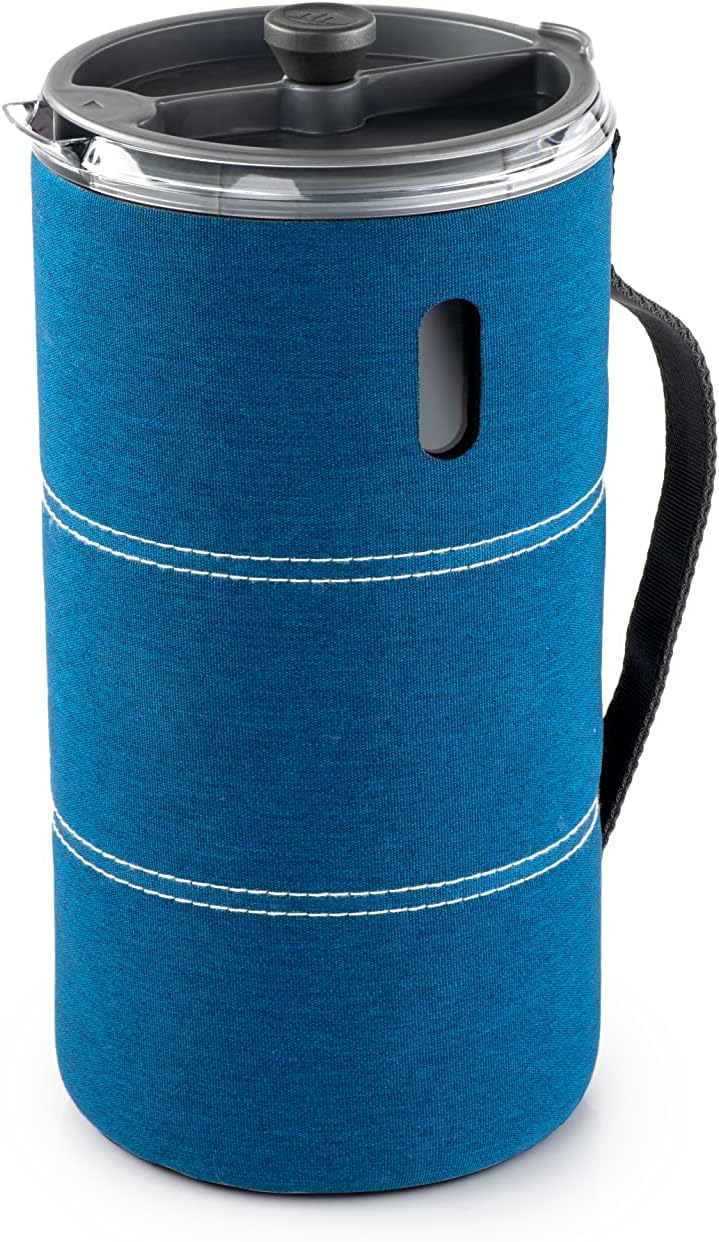
GSI Outdoors JavaPress
Fuel your adventure with the GSI Outdoors JavaPress—the perfect solution for coffee lovers who refuse to compromise, even on the trail. Designed for life on the go, this lightweight, shatter-resistant French press brews rich, flavorful coffee or tea without the grit, thanks to its innovative silicone ring plunger that virtually eliminates blow-by. With a built-in handle and double-walled insulated lid wrapped in a cozy ballistic nylon sleeve, it keeps your brew hot while staying easy to pack and pour. Weighing less than a pound and compact enough to fit in your backpack (4.8″ x 4.8″ x 9.6″), it’s the ultimate travel coffee companion for campers, hikers, van-lifers, and explorers. Made from BPA-free, recycled materials and backed by GSI Outdoors’ lifetime warranty, the JavaPress makes sure your mornings start strong—wherever you wake up.
Buy Now
How to Stay Calm and Confident When You’re Alone
Deal with Nighttime Anxiety
The first solo night in the wild is always the hardest. Set up before dark, create a cozy ritual (hot tea, book, breathwork), and stick to a routine. A lantern or string lights go a long way in making camp feel like home.
Keep Busy—But Not Overstimulated
Solo camping isn’t about doing nothing. It’s about mindful doing. Try:
- Sketching or nature journaling
- Wildlife watching
- Listening to nature or lo-fi playlists
- Simple trail photography
This keeps your mind engaged without pulling you out of the present.
[content-egg module=Linkshare template=grid]
Best Campsites for First-Time Solo Campers
Easy-to-Access Yet Scenic
Start at locations where safety and scenery meet. These are perfect for solo newbies:
- Lost Maples State Park, TX – vibrant, safe, accessible
- Shenandoah National Park, VA – peaceful sites, ranger-staffed
- Olympic National Park, WA – diverse terrain, popular yet vast
My Go-To Spots Across the U.S.
Some personal favorites that feel like solo gold:
- Acadia National Park, ME – oceans, trails, and a safe solo culture
- Pisgah National Forest, NC – tons of dispersed options, well-loved
- San Juan Mountains, CO – crisp air, big views, and quiet corners
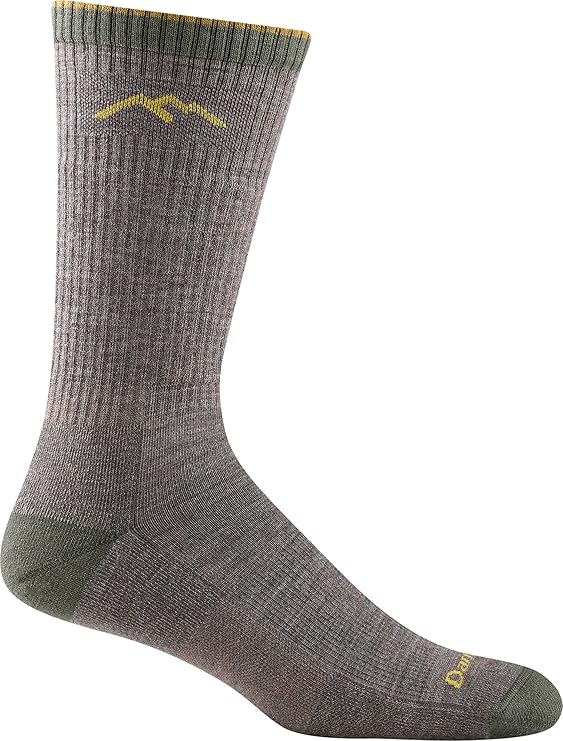
Darn Tough 1403 Men’s Merino Wool Boot Sock Cushion
When comfort matters as much as durability, the Darn Tough Midweight Cushion Boot Sock delivers every step of the way. Knit from a premium blend of 64% Merino wool, 33% nylon, and 3% Lycra spandex, these socks offer all-weather performance that keeps you cool in summer and warm in winter—without the sweat or stink. The midweight cushioning underfoot provides just the right amount of support, while True Seamless™ technology creates an ultra-smooth, invisible fit that feels like second skin. Designed to sit mid-calf for added warmth and protection, they’re the ideal companion for hikes, boots, or cold-weather adventures. Best of all, they’re guaranteed for life—if they ever wear out, Darn Tough will replace them, no questions asked. Made proudly in Vermont, these socks are tested in the rugged outdoors and built to outlast the trail.
Buy NowWhat I Wish I Knew Before My First Solo Trip
- It’s quieter than you expect—and that’s a good thing.
That silence can feel eerie at first, but it soon becomes your anchor. - You don’t have to be brave. You just have to be prepared.
Fear fades with a good plan and a working headlamp. - You won’t miss the company. You’ll meet yourself instead.
Solitude brings insight. And clarity. And something close to healing.
Conclusion: Take the Leap—Your Peace is Waiting
You don’t need to go far or long to feel the magic. Try one night at a local site. Keep your gear simple. Trust your instincts.
Solo camping has helped me heal, think, reset, and grow. It’s not just about being alone—it’s about being whole in the wilderness.
Thinking of heading out on your own for the first time? Drop your questions in the comments. I’m happy to share my packing checklist or suggest starter sites near you. 🏕️✨
[content-egg module=Impactradius template=grid]